Mountain mint is a beneficial pollinator plant that is native to the Eastern United States. This low-growing herbaceous perennial has a mild mint smell compared to culinary mint (not intended for cooking). It can grow between 12 and 18 inches tall and will spread gradually. Mammals, including deer, rabbits, groundhogs, and voles, tend not to eat it. Great for native pollinator gardens. (City people, these are not houseplants. :-))
We have five species in stock in two-inch pots. This perennial was grown from seed to maximize genetic diversity, and without synthetic fertilizers and pesticides for optimal soil health.
They’ve been grown outdoors in full sun, so ready to go in the ground right away. For that matter, it is recommended that you plant them as soon as possible to get acclimated before we finally get a fall freeze. The tops will dieback, but the roots will survive the winter and be poised for spring top-growth.
Mountain mint is a beneficial pollinator plant that is native to the Eastern United States. This low-growing herbaceous perennial has a mild mint smell compared to culinary mint (not intended for cooking). It can grow between 12 and 18 inches tall and will spread gradually. Mammals, including deer, rabbits, groundhogs, and voles, tend not to eat it. Great for native pollinator gardens. (City people, these are not houseplants. :-))
We have five species in stock in two-inch pots. This perennial was grown from seed to maximize genetic diversity, and without synthetic fertilizers and pesticides for optimal soil health.
They’ve been grown outdoors in full sun, so ready to go in the ground right away. For that matter, it is recommended that you plant them as soon as possible to get acclimated before we finally get a fall freeze. The tops will dieback, but the roots will survive the winter and be poised for spring top-growth.
 Image 1 of 22
 Image 2 of 22
 Image 3 of 22
 Image 4 of 22
 Image 5 of 22
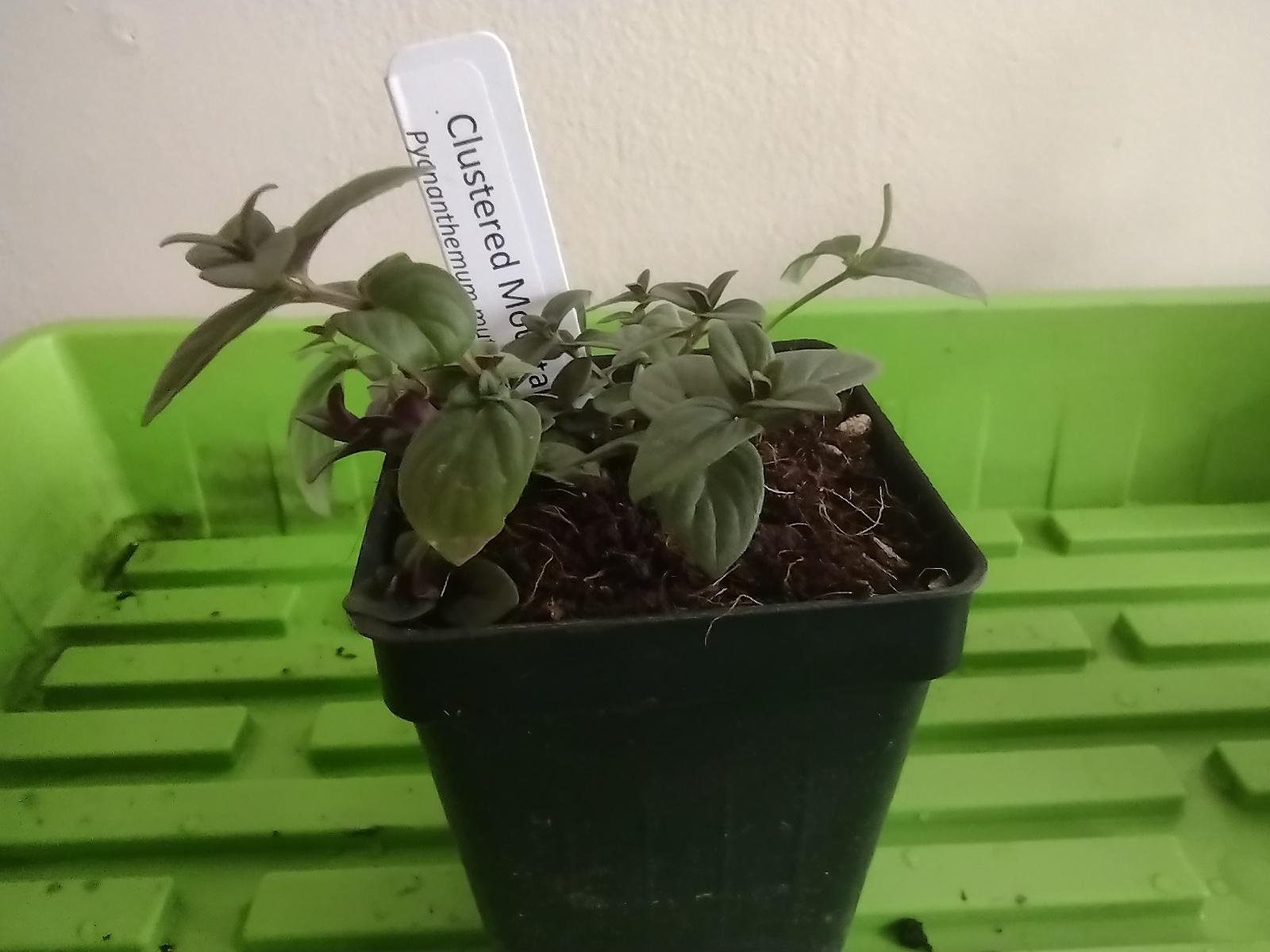 Image 6 of 22
 Image 7 of 22
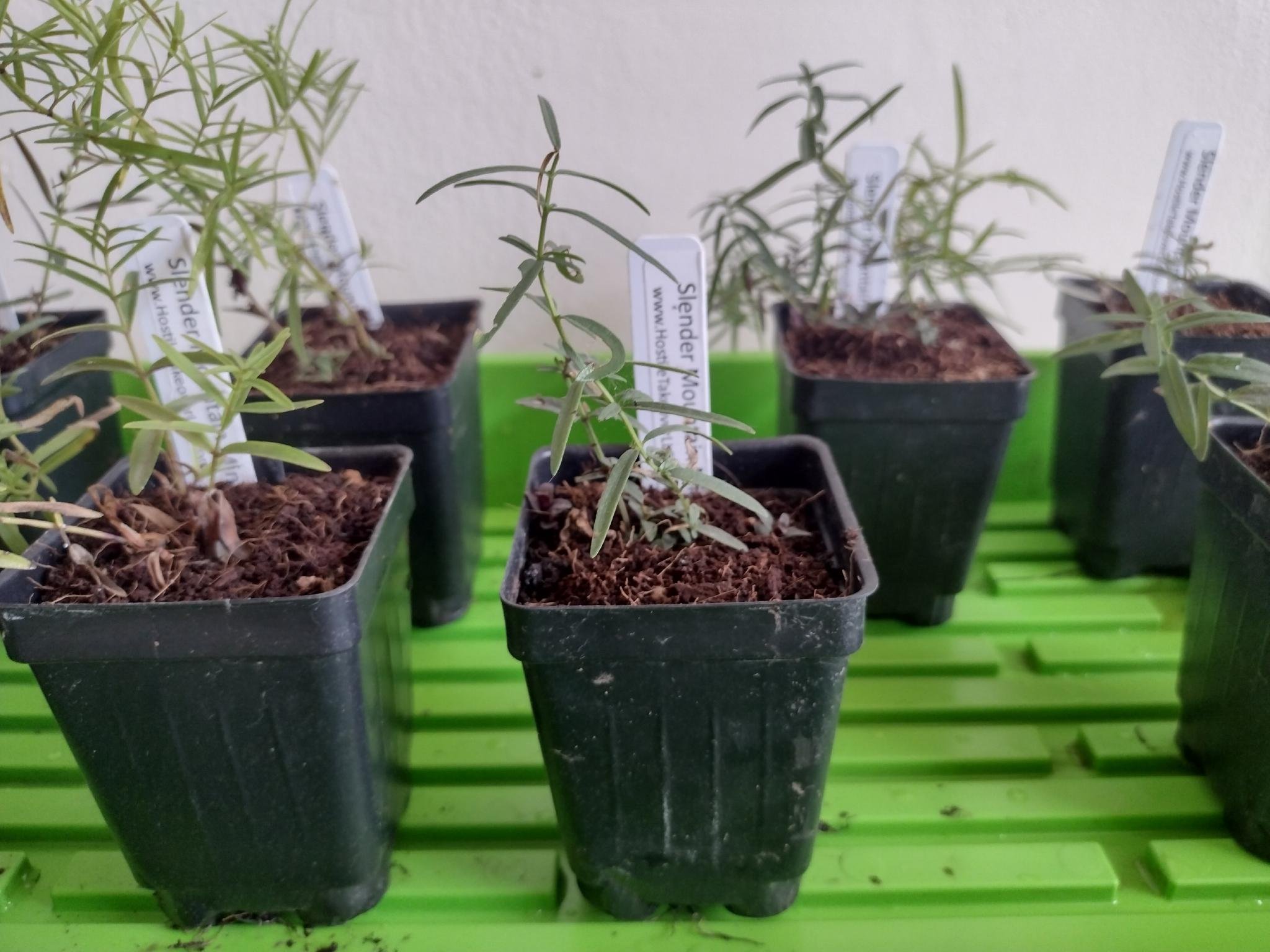 Image 9 of 22
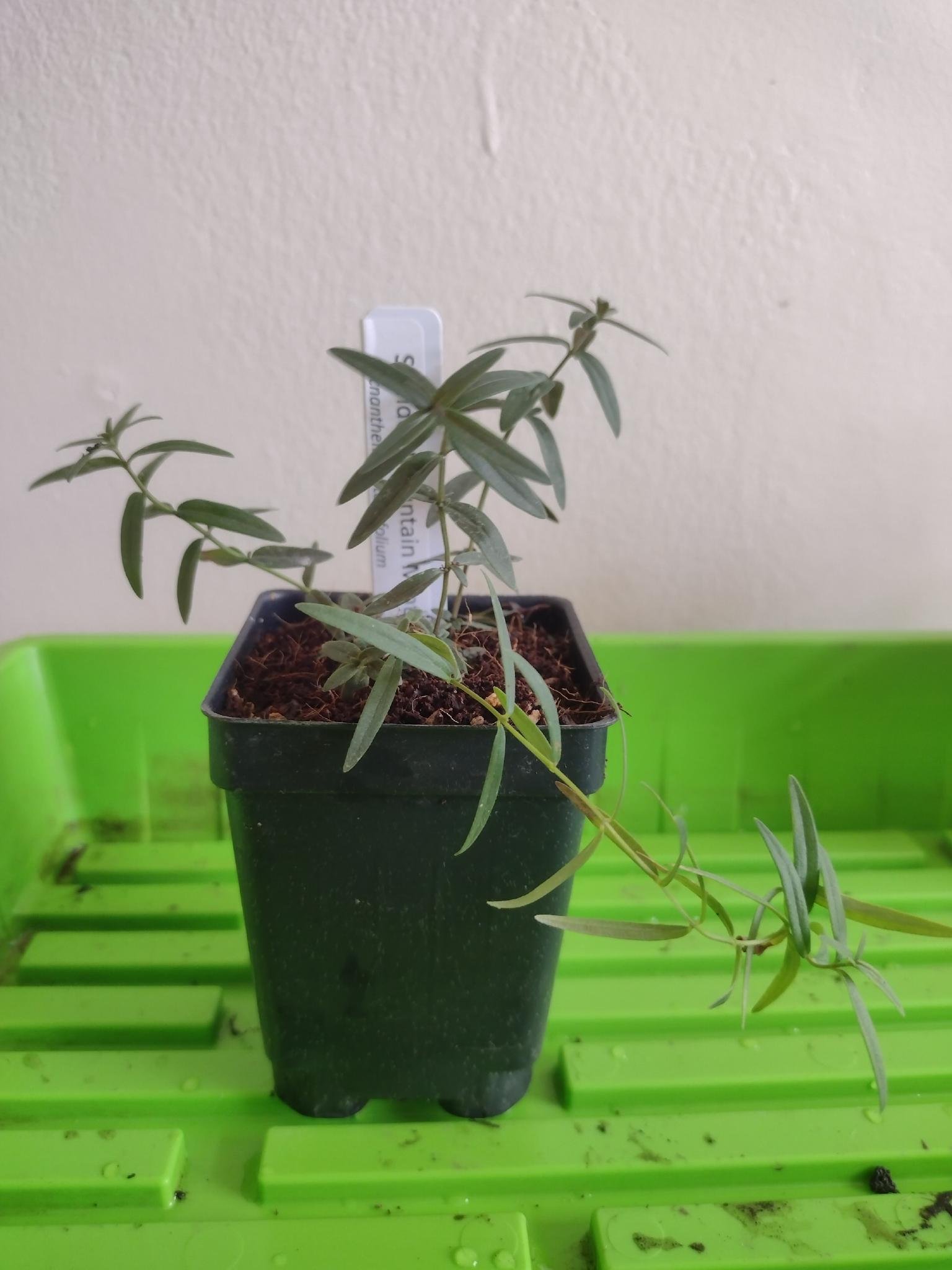 Image 10 of 22
 Image 11 of 22
 Image 13 of 22
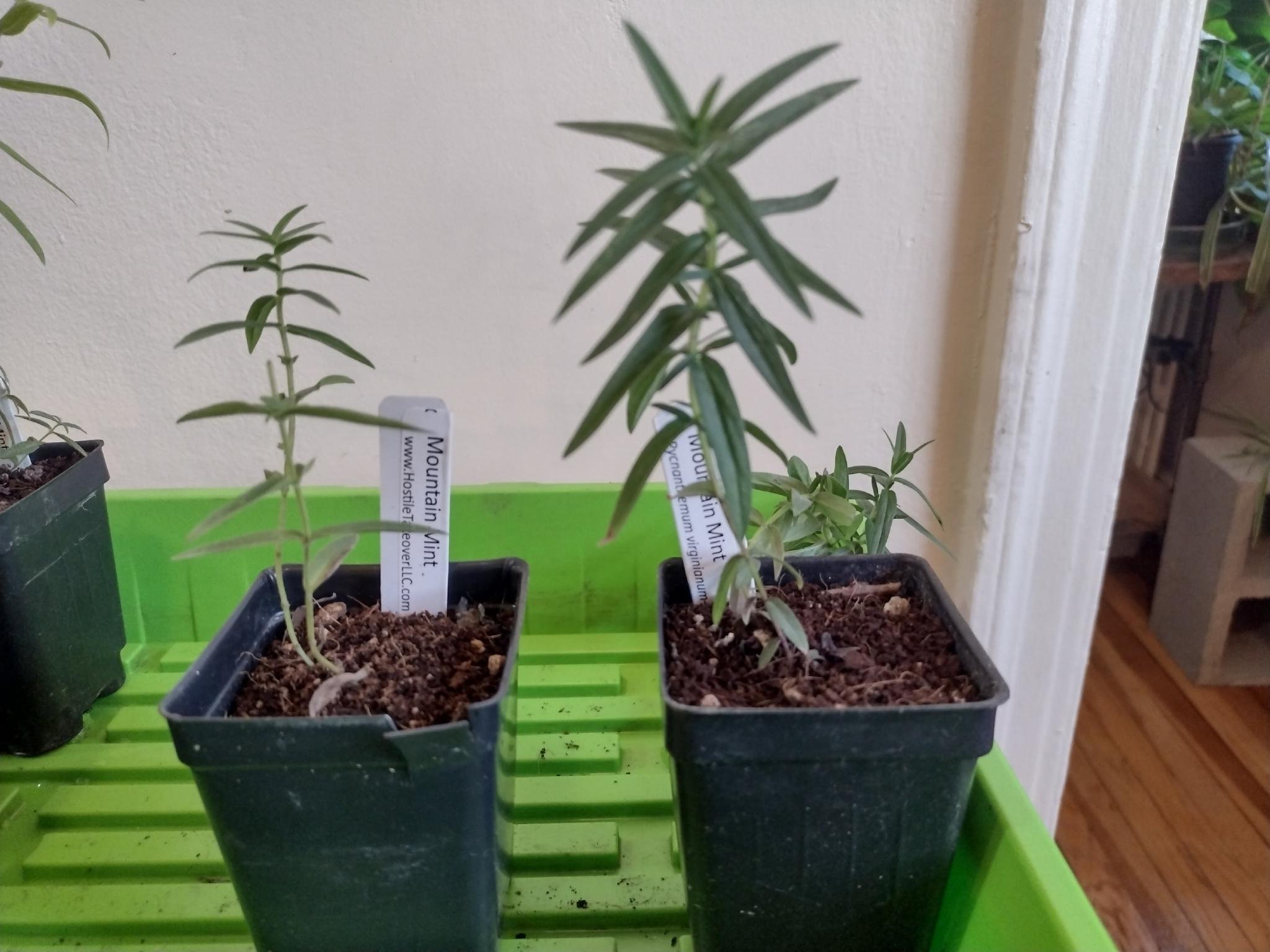 Image 14 of 22
 Image 15 of 22
 Image 16 of 22
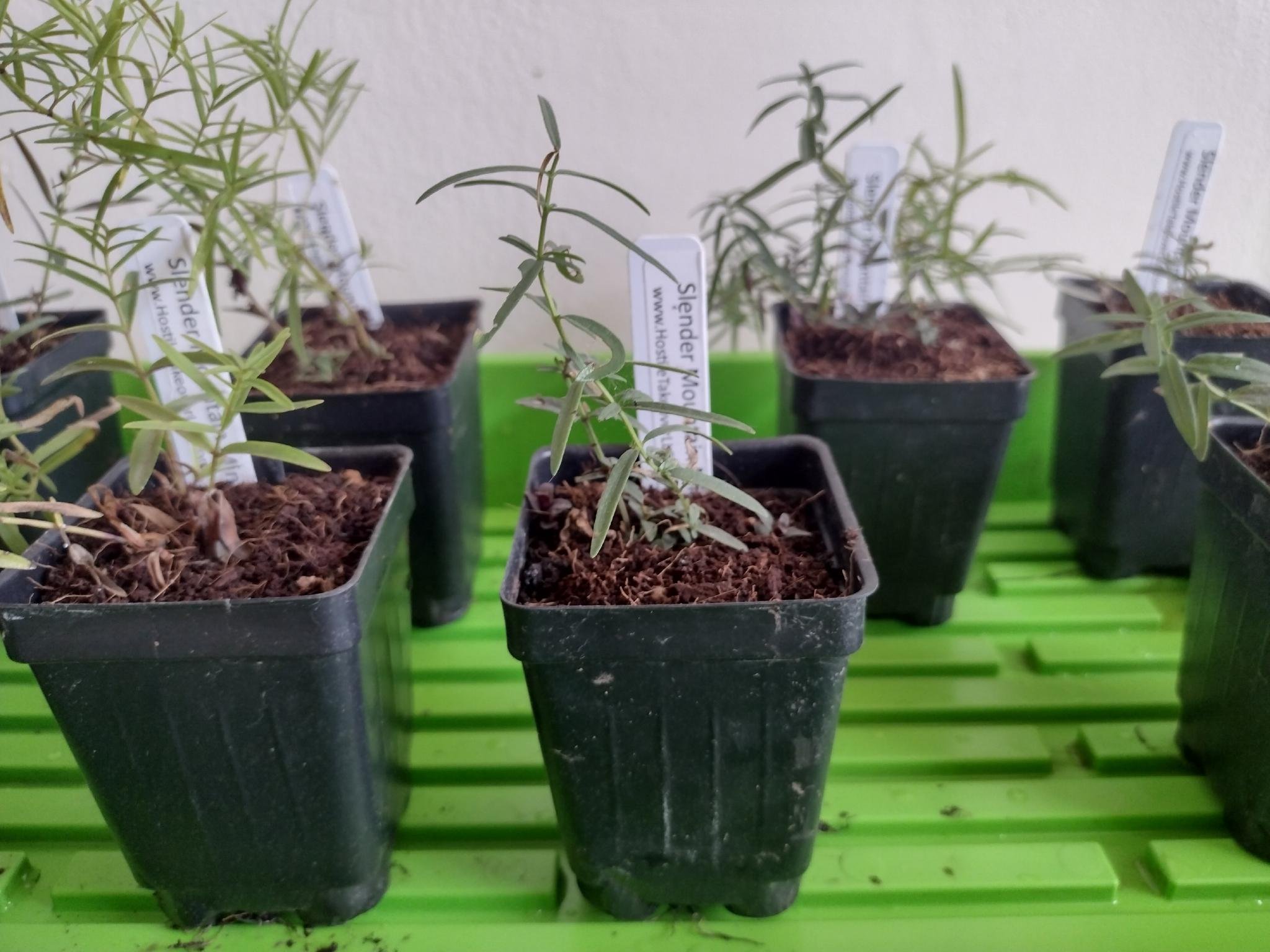 Image 17 of 22
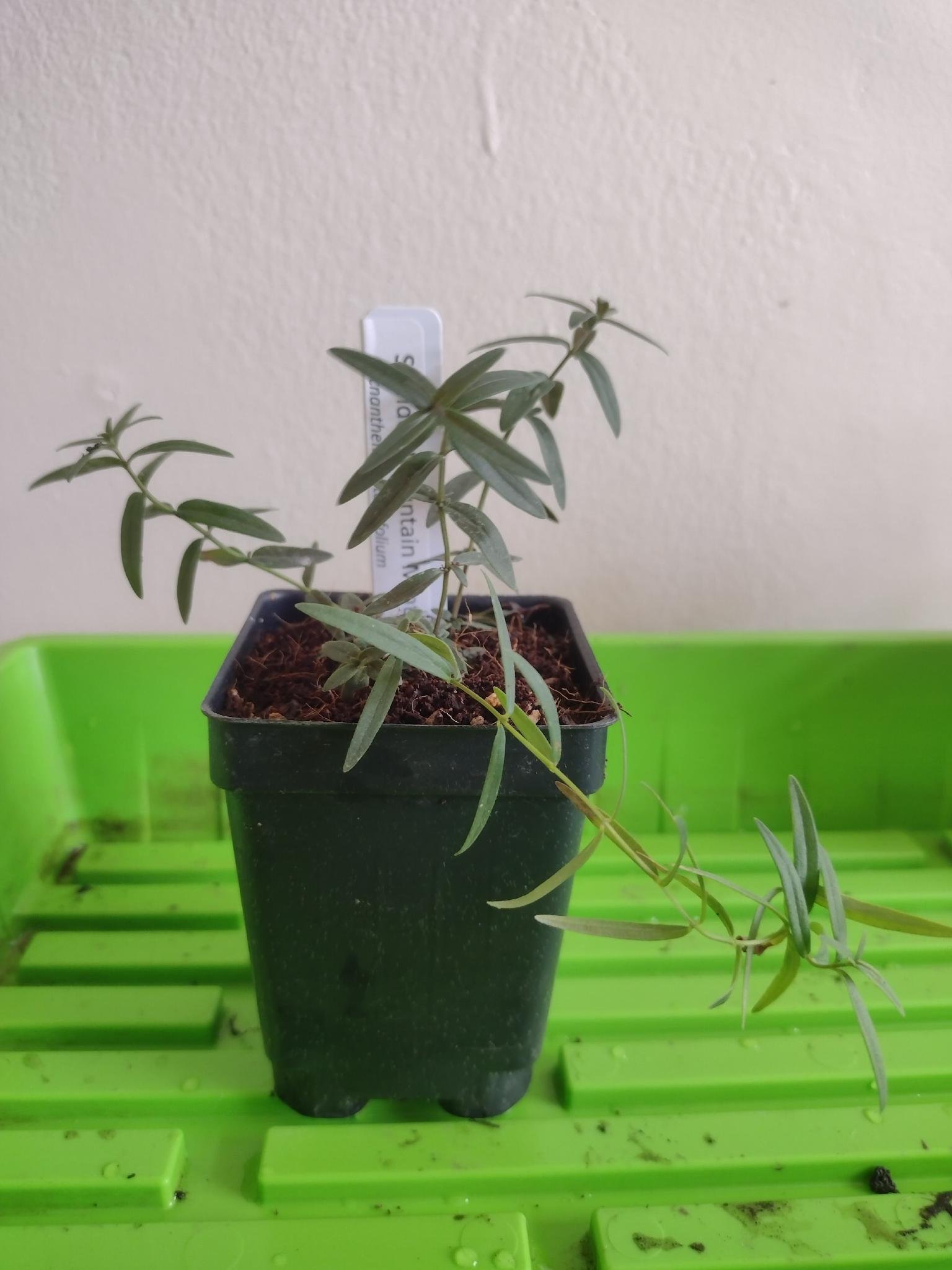 Image 18 of 22
 Image 19 of 22
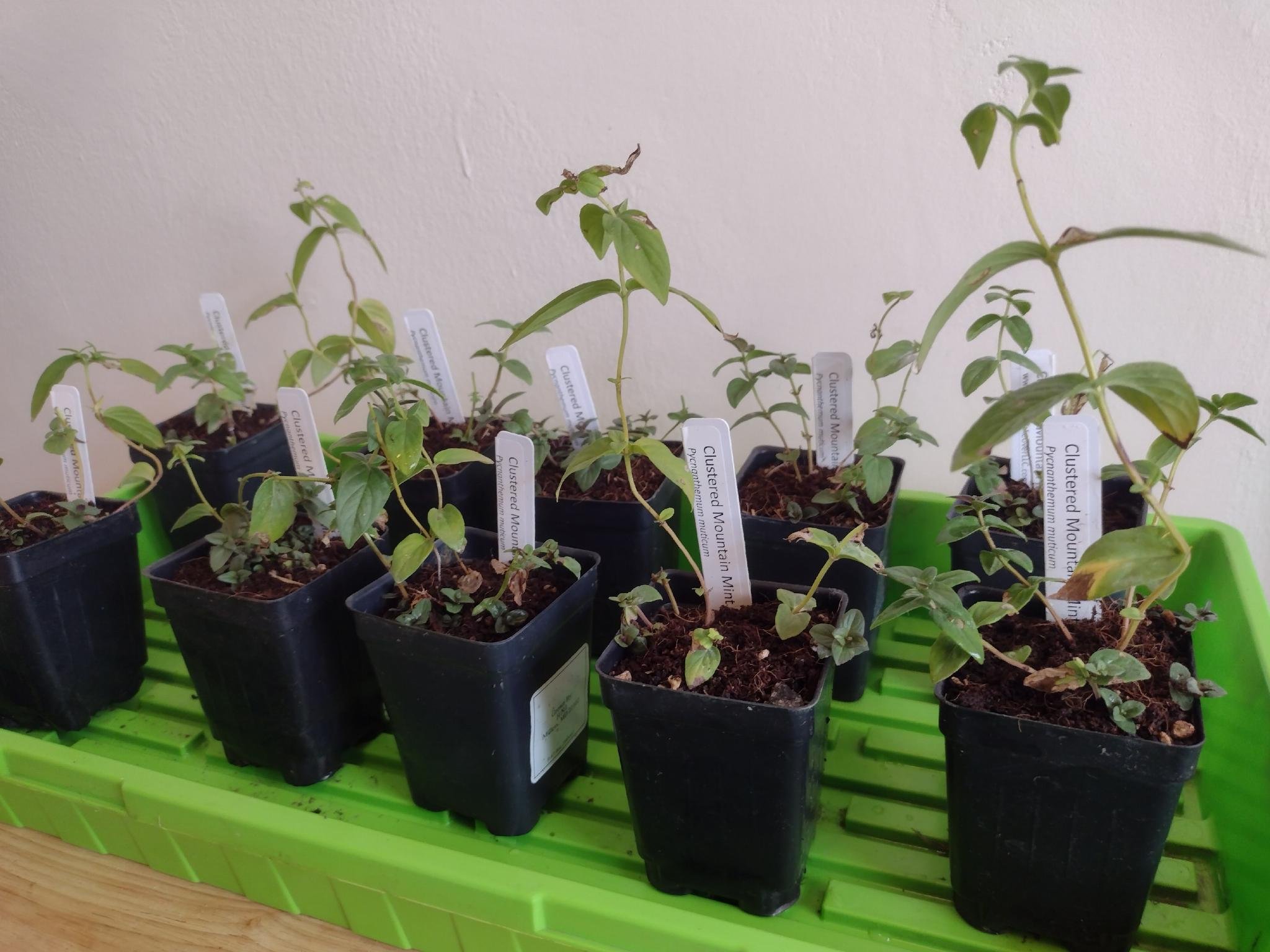 Image 20 of 22
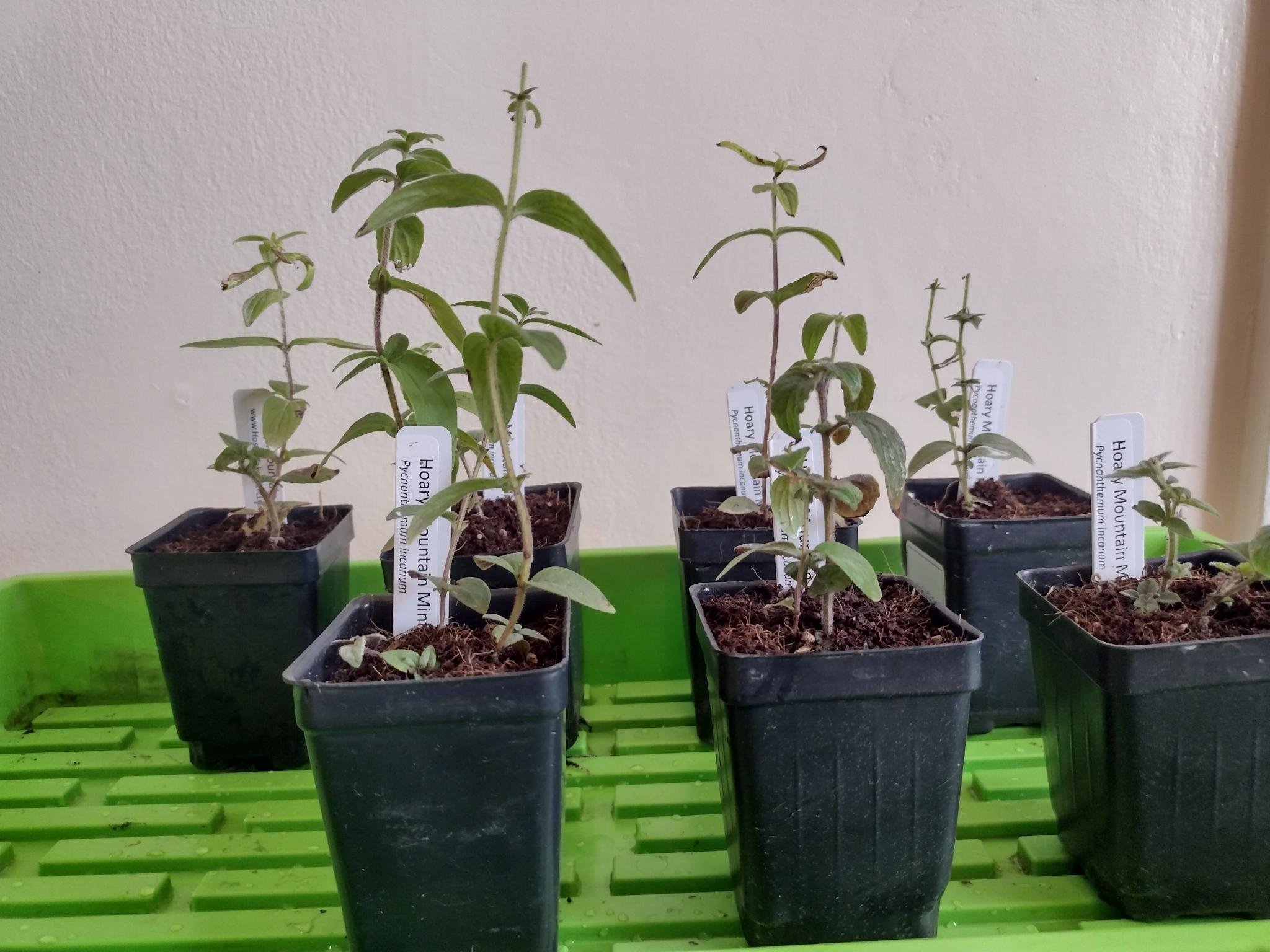 Image 21 of 22
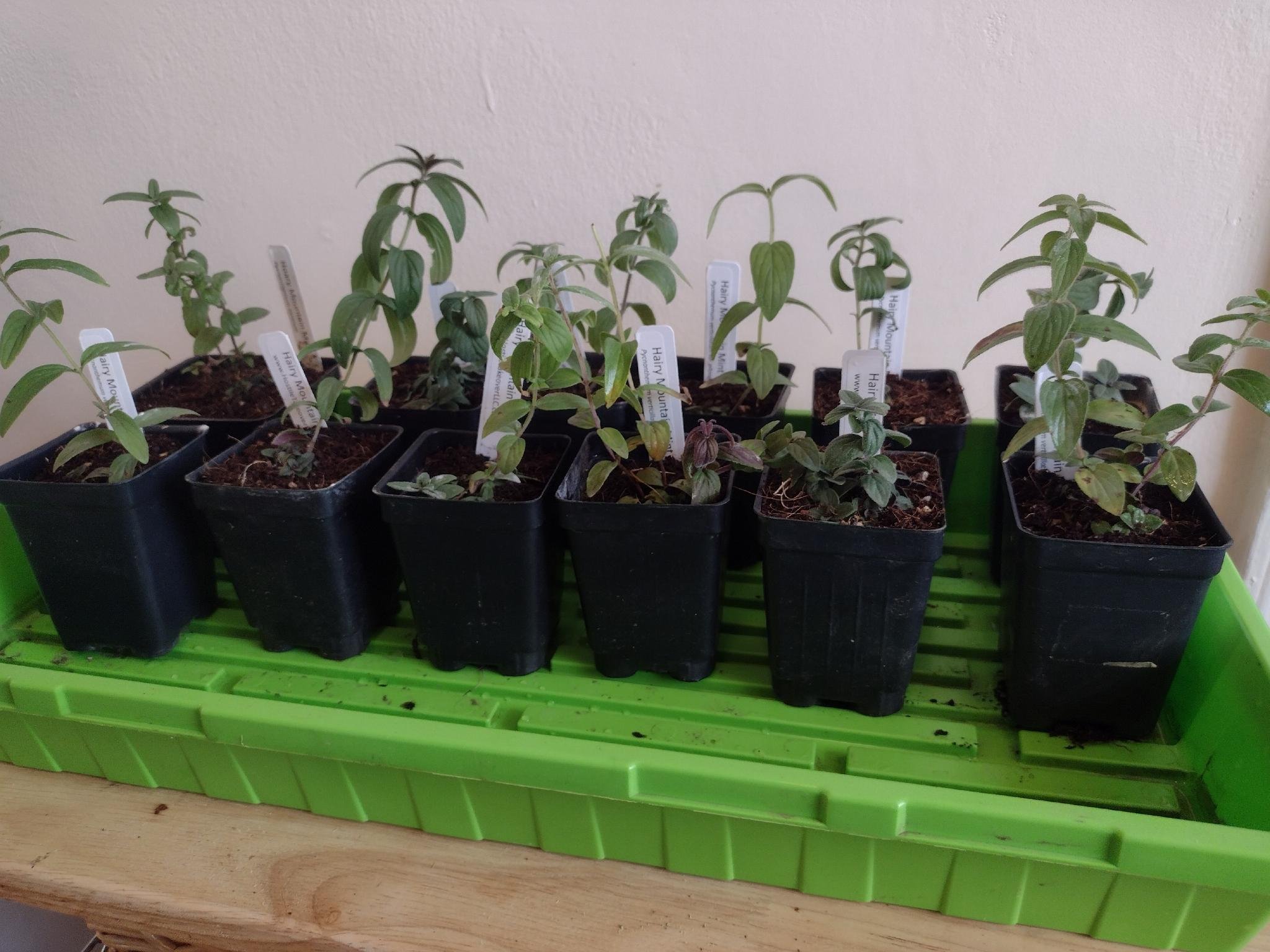 Image 22 of 22